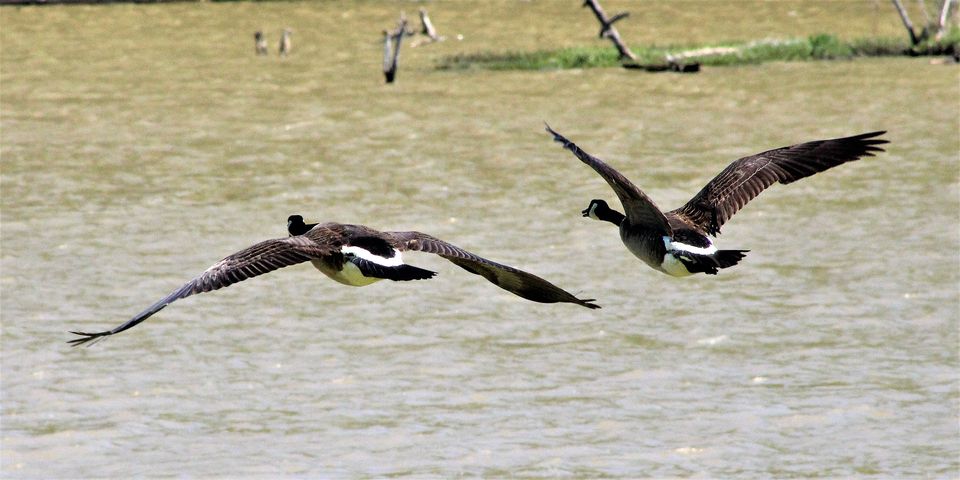
Hunting
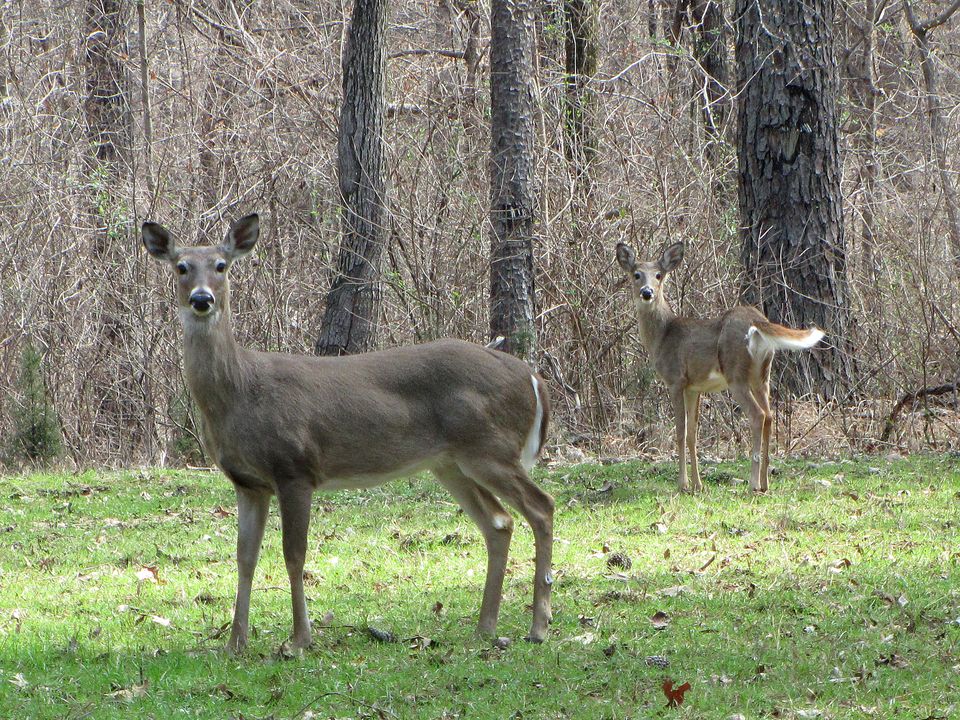
Wildlife management areas along M-65 offer public access for deer, turkey, waterfowl, and small game across multiple seasons.

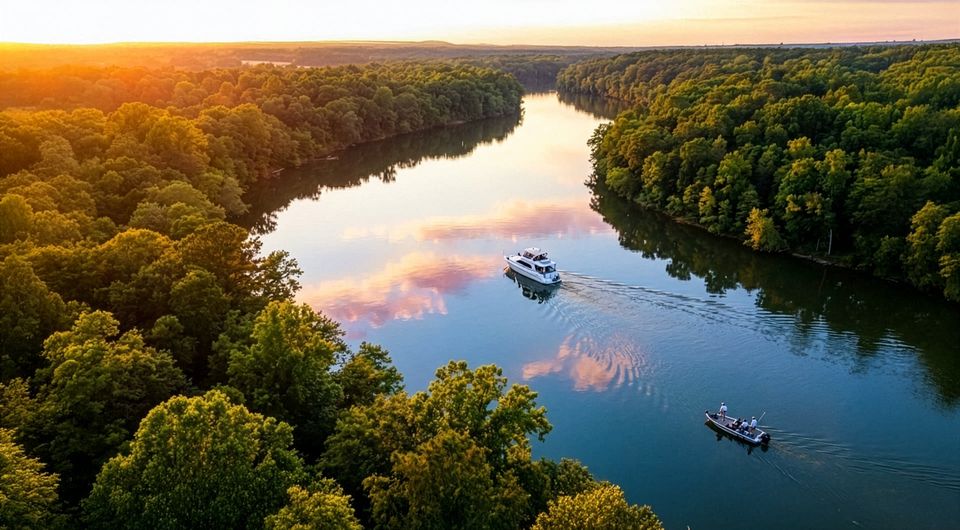
Built for commerce. Made for adventure. From Kentucky Lake down to the Mobile-Tensaw Delta, the Tennessee-Tombigbee Waterway and the broader Marine Highway M-65 corridor are a four-state playground for boating, fishing, hunting, and paddling, with vibrant waterfront towns in between.
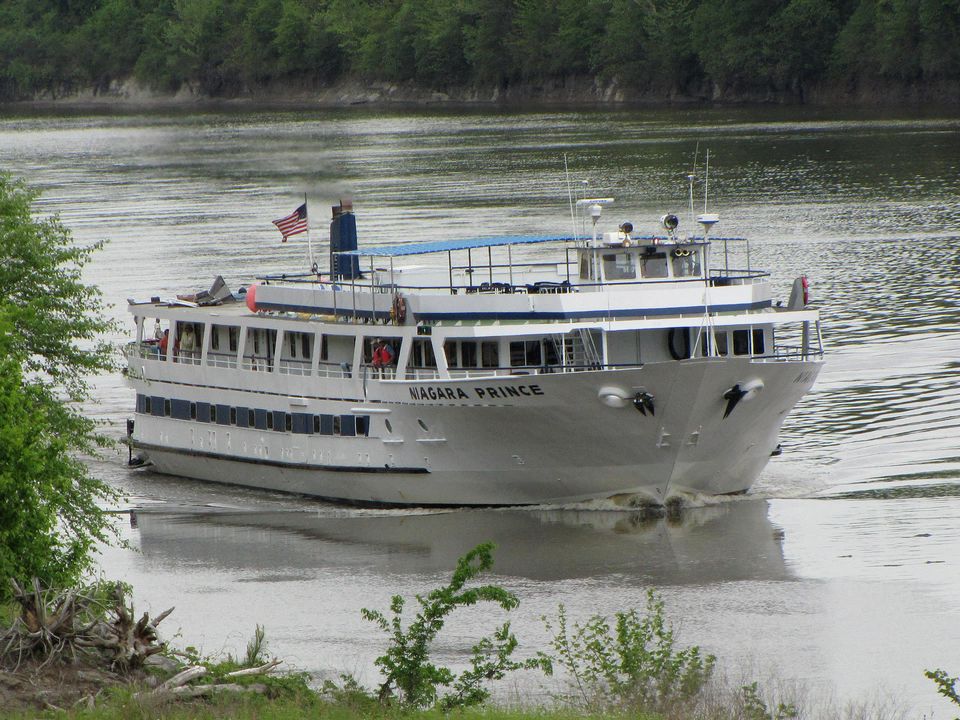
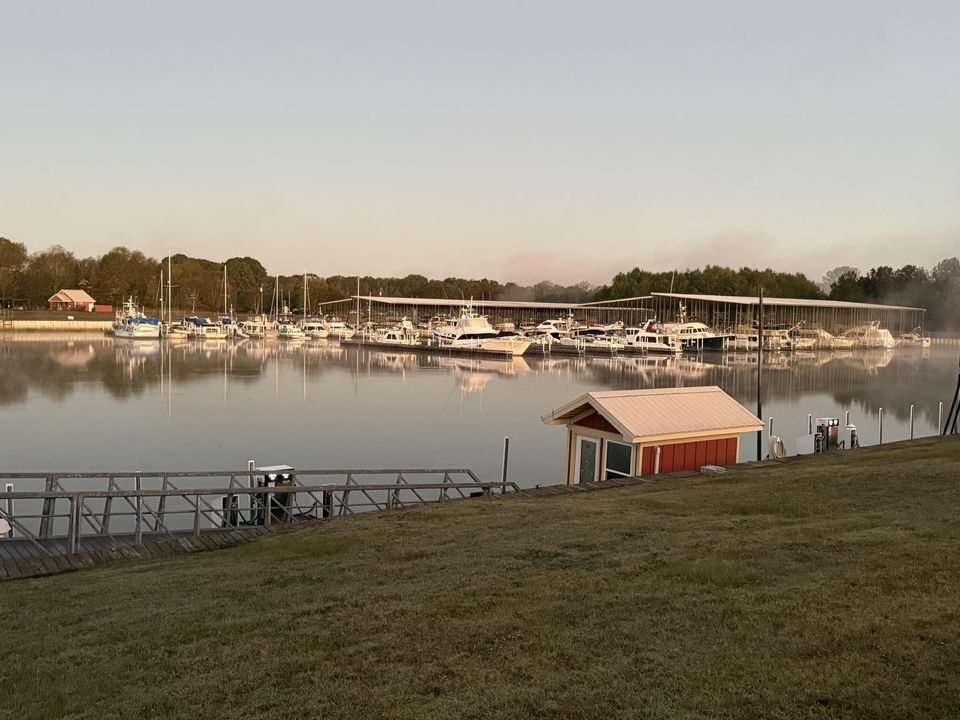
Marine Highway M-65 carries the inland leg of the 6,000-mile Great Loop: down the Tennessee River, through the Tennessee-Tombigbee Waterway, and down the Tombigbee and Mobile rivers to Mobile Bay. It is one of the route's most scenic stretches, a favorite for Loopers and weekend cruisers alike.
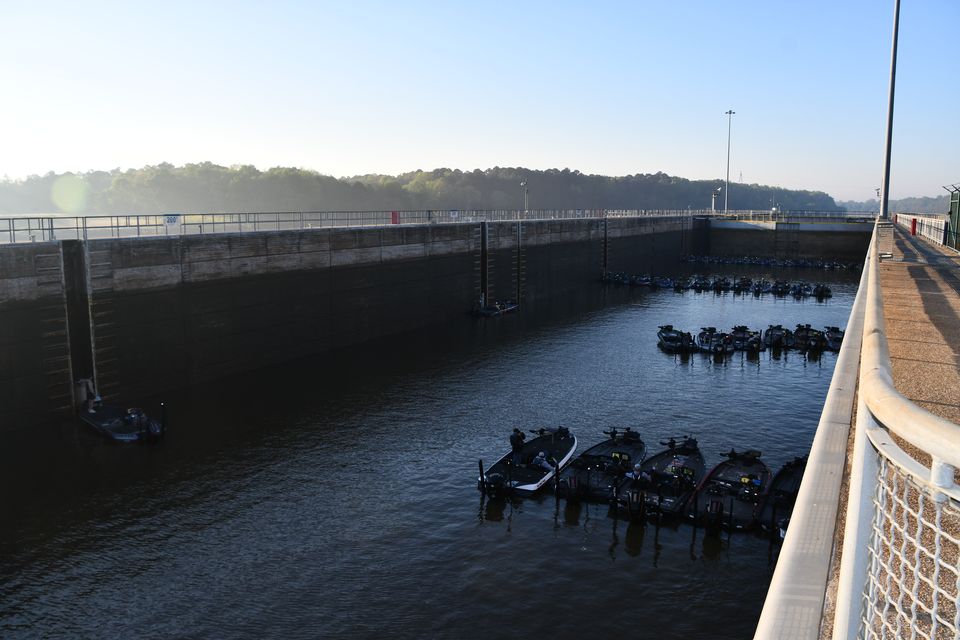
Twenty-five locks carry boats up and down M-65, ten of them on the Tennessee-Tombigbee Waterway. Locking through is one of the unique experiences of cruising the corridor, and easier than most boaters expect. Recreational vessels are always welcome.
Follow the lockmaster’s instructions and consult current U.S. Army Corps of Engineers guidance before your trip.
From Kentucky Lake to Mobile Bay, and from Knoxville to Birmingham, every stretch of M-65 produces fish, and every stretch hosts tournaments. Pick a water:
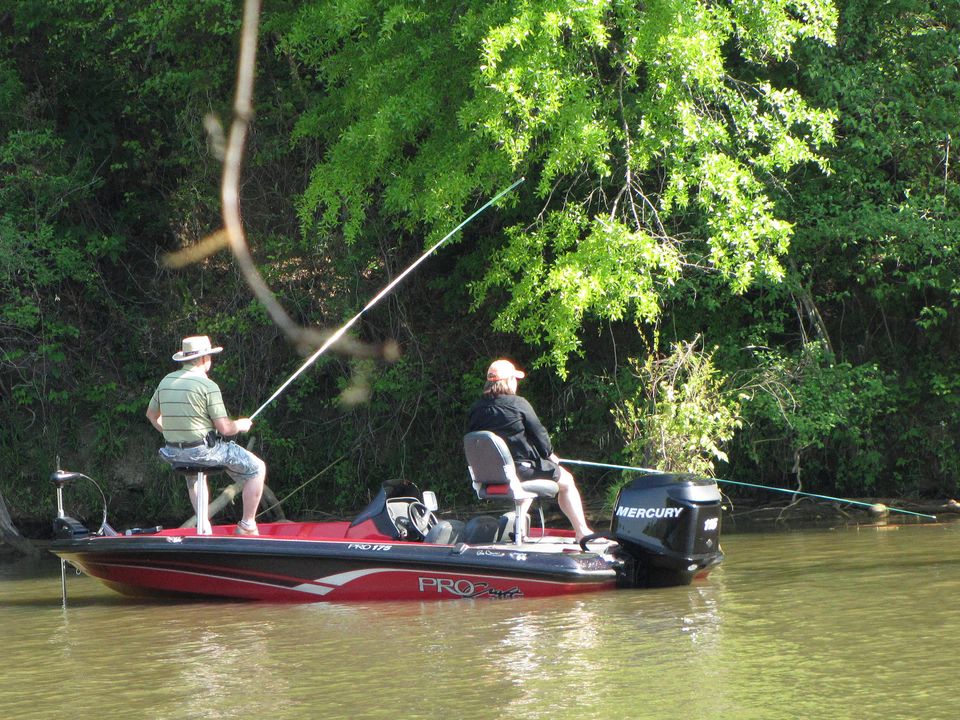
Tennessee's tourism department calls it the largest man-made lake by surface area in the eastern United States.
TWRA: Kentucky Reservoir (opens in a new window)Several line-class world-record smallmouth have come from Pickwick, according to the Alabama Department of Conservation and Natural Resources.
Outdoor Alabama: Pickwick Reservoir (opens in a new window)Alabama's state-record smallmouth bass came from Wilson Lake.
Outdoor Alabama: Wilson Reservoir (opens in a new window)A 111-pound blue catfish caught here in 1996 once held the world record.
Outdoor Alabama: Wheeler Reservoir (opens in a new window)Host of the 2014 Bassmaster Classic.
Outdoor Alabama: Lake Guntersville (opens in a new window)The Chickamauga Dam tailwater produces smallmouth action all year, according to TWRA.
TWRA: Nickajack Reservoir (opens in a new window)Tennessee's state-record largemouth bass, 15 pounds 3 ounces, was caught here in 2015.
TWRA: Chickamauga Reservoir (opens in a new window)Many high-profile tournaments have been held in the Knoxville area, according to TWRA.
TWRA: Fort Loudoun Reservoir (opens in a new window)Has hosted several state-level bass tournaments, according to MDWFP.
MDWFP: Aberdeen Lake (opens in a new window)The largest reservoir on the Tennessee-Tombigbee Waterway, according to MDWFP.
MDWFP: Columbus Lake (opens in a new window)The Alabama Department of Conservation and Natural Resources calls its crappie fishing generally outstanding.
Outdoor Alabama: Aliceville Reservoir (opens in a new window)Part of the lake is set aside as Choctaw National Wildlife Refuge.
Outdoor Alabama: Coffeeville Reservoir (opens in a new window)A 69-pound 9-ounce striped bass caught here in 2013 is recognized as a state and world record for an inland striper.
Outdoor Alabama: Bankhead Reservoir (opens in a new window)One of the largest river deltas in the United States, according to the Alabama Department of Conservation and Natural Resources.
Outdoor Alabama: Mobile Delta (opens in a new window)The sixth largest estuary in the continental United States.
Outdoor Alabama: saltwater fishing (opens in a new window)See Marinas, Ramps & Parks on the Map
Lake sizes and species: Tennessee Valley Authority; Tennessee Wildlife Resources Agency; Mississippi Department of Wildlife, Fisheries, and Parks; Alabama Department of Conservation and Natural Resources; U.S. Army Corps of Engineers. Sizes are at normal or full pool and rounded where agencies differ.
Wildlife management areas along M-65 offer public access for deer, turkey, waterfowl, and small game across multiple seasons.
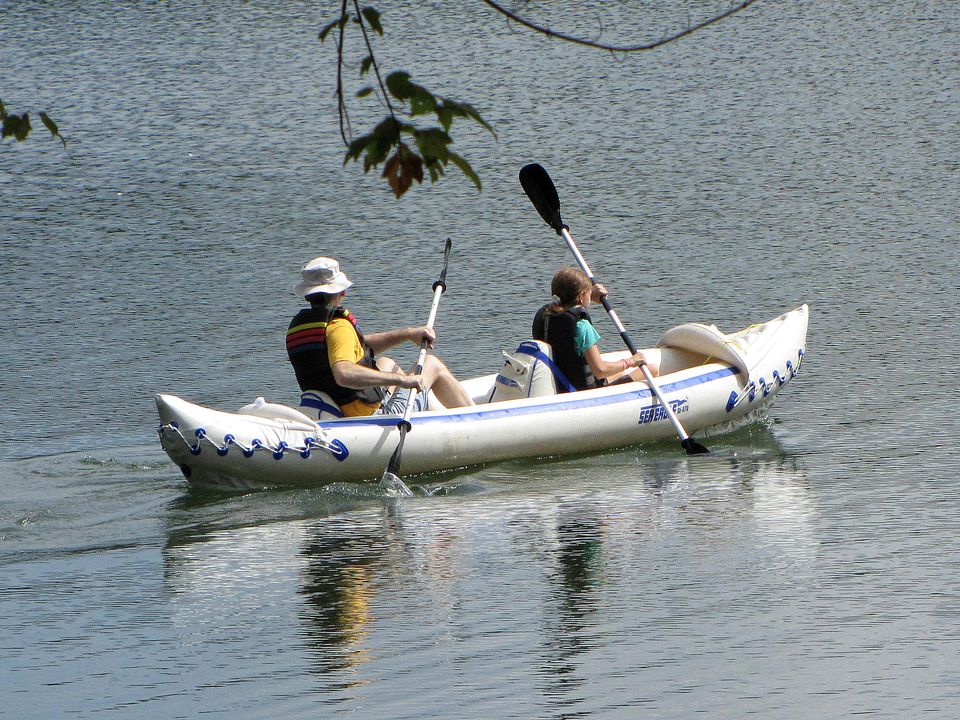
Slack-water conditions and the Mobile-Tensaw canoe trail system welcome paddlers at every skill level.
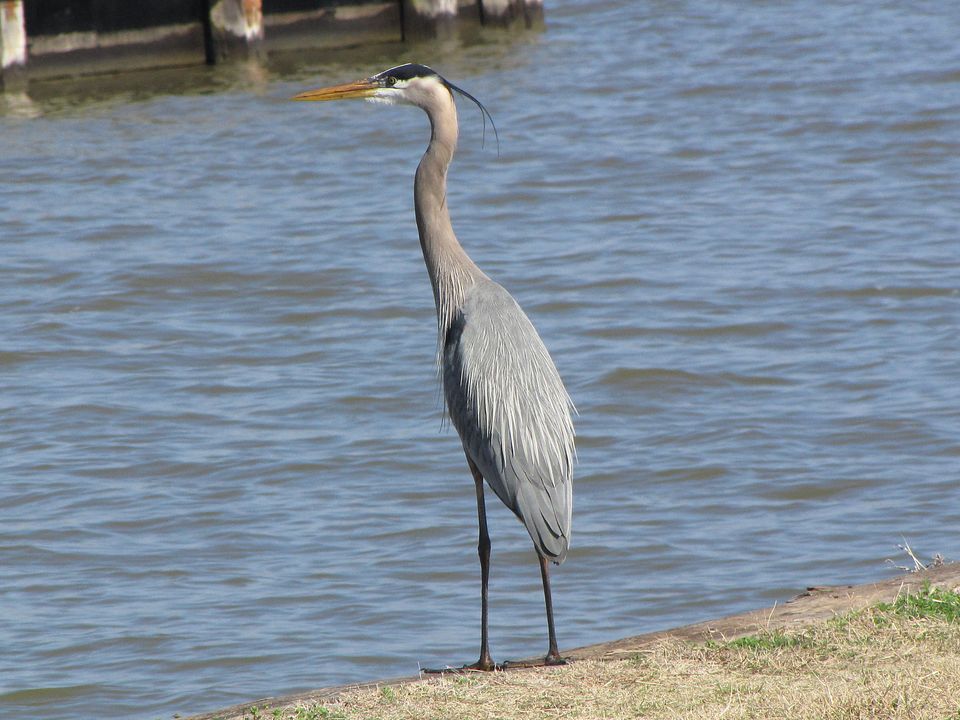
Public lands and waterways offer opportunities for birding and wildlife watching.
What to look for
Tishomingo, J.P. Coleman, Tombigbee, Pickwick Landing, Joe Wheeler, Meaher, and Blakeley all sit along or near the corridor.
From the Kentucky lakes to the Mobile–Tensaw Delta, M-65 runs through open lakes, quiet backwaters, bottomland forest and prairie country. Each draws its own wildlife: eagles and pelicans over open water in winter, songbirds along wooded shorelines in spring, wading birds and alligators in the southern backwaters.
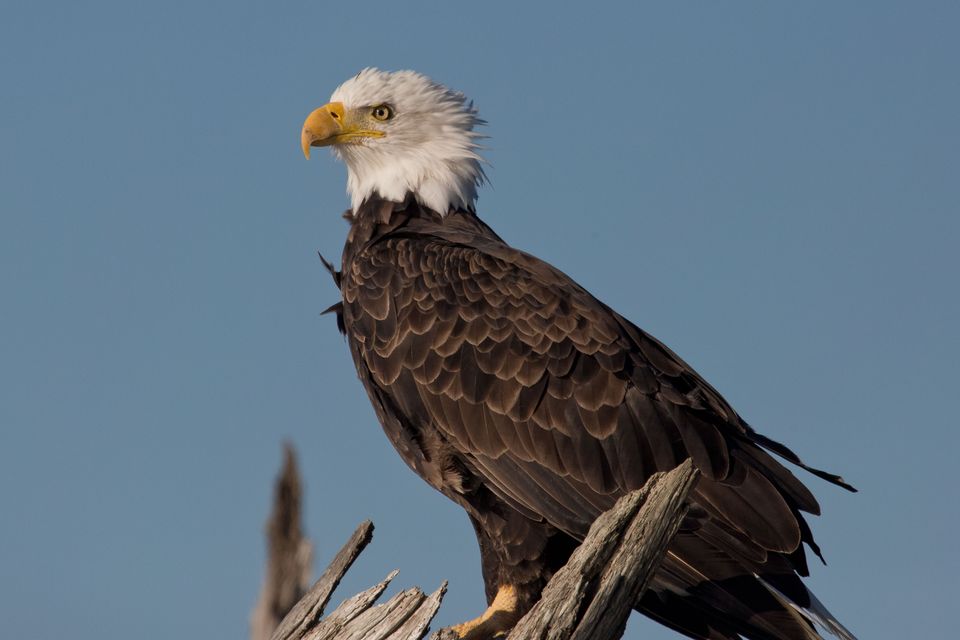
A white head and tail, often perched in tall trees near a dam. In 1992 the Corps released more than 30 young eagles along the Tenn-Tom to help them return.
Photo: Peter Pearsall/USFWS
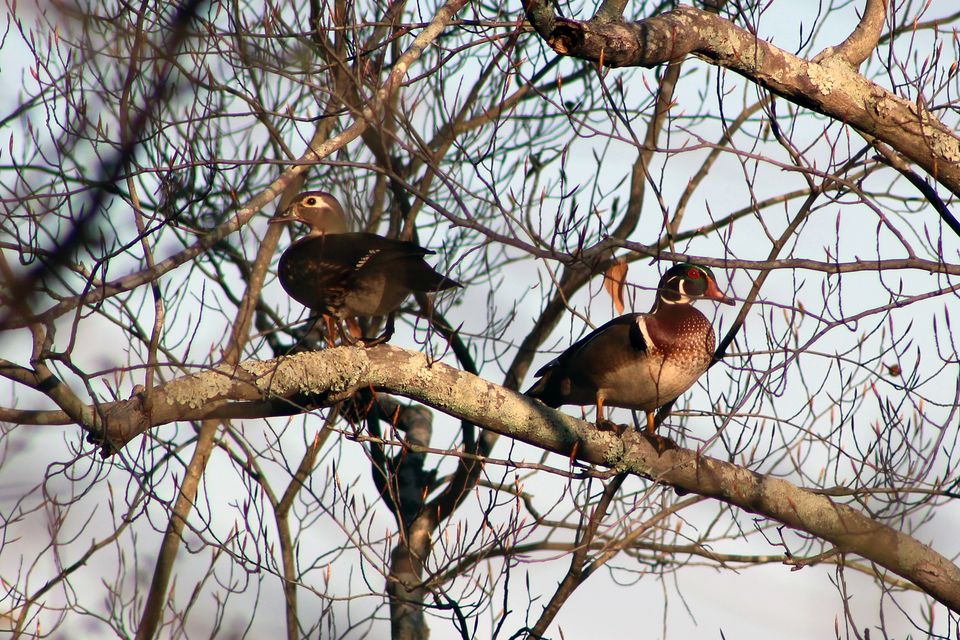
A small, brightly patterned duck that nests in tree cavities and nest boxes and feeds on acorns in flooded woods.
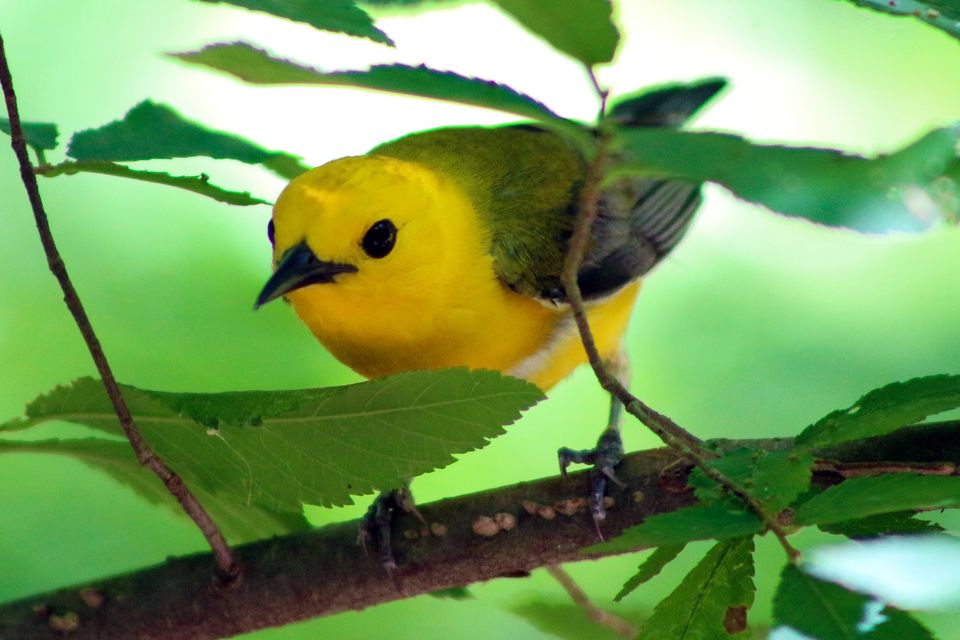
A gold-yellow songbird with blue-gray wings that nests in cavities over the water.
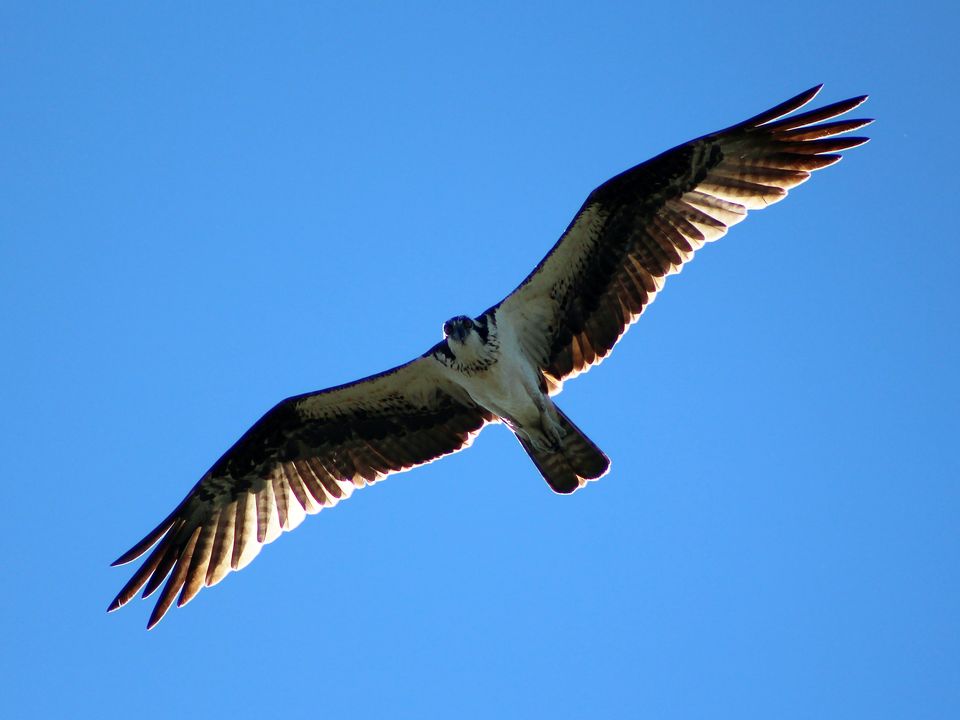
A fish hawk that hovers, then dives feet-first into the water.
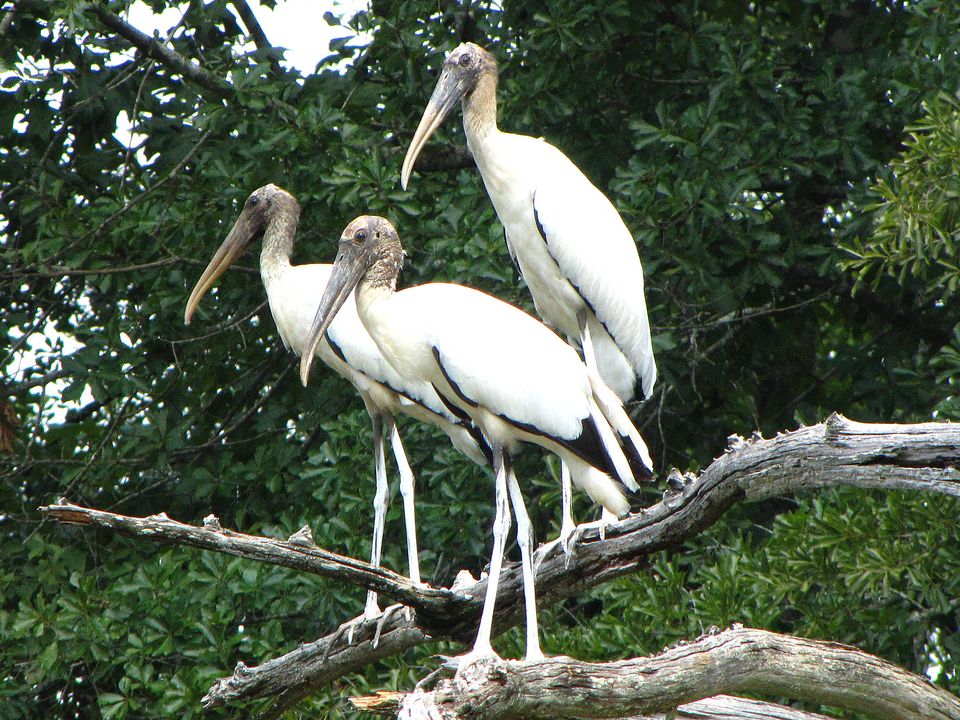
You may see these tall white wading birds with dark, bare heads, visiting from farther south after nesting season.
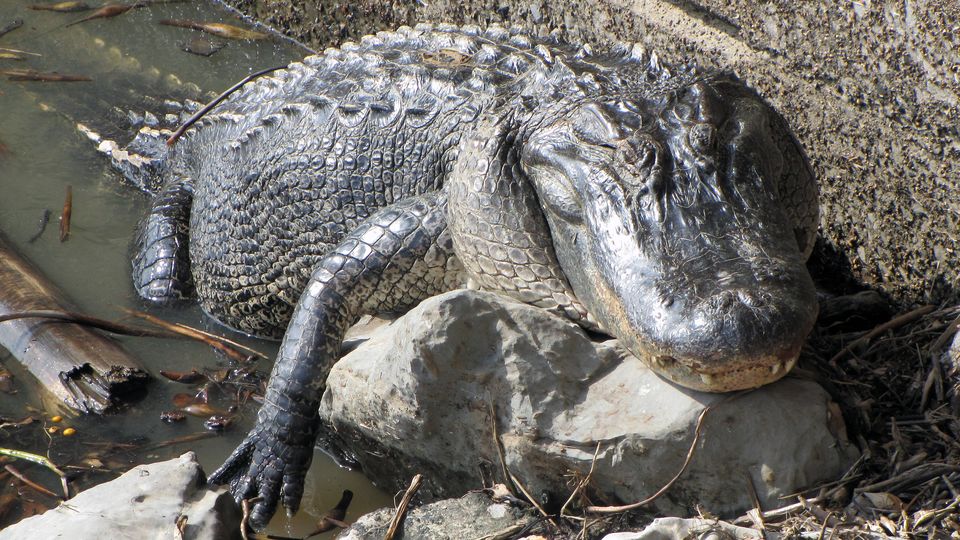
Look for alligators sunning on banks and logs. Admire them from a distance, and never feed them.
Seasons are general guides, not guarantees.
Bald eagles at their most numerous. Ducks, loons and American white pelicans on the open lakes.
Songbirds return to the wooded shorelines. Ospreys build their nests.
Prothonotary warblers and kites along the rivers. Buttonbush blooms in the backwaters. Hummingbirds at Land Between the Lakes' Woodlands Nature Station, April through October.
Wood storks roost below the southern dams. Monarchs migrate through Land Between the Lakes, mid-September to mid-October. Cypress needles turn rust, and the ducks come back.
Kentucky Lake & Lake Barkley
Eagles in winter, hummingbirds and monarchs in season, and a nature station.
Pickwick to Bay Springs
Forest and open land on both sides of the waterway. Open to hunting in season.
Columbus Lake
Nature trails between cypress sloughs above the lake.
Aliceville Lake
Wildlife exhibits, a lakeside boardwalk and winter eagles.
Demopolis
Late-summer wood storks, a river overlook and a native prairie plot.
Mobile–Tensaw Delta
The gateway to the Delta's marshes and swamps.
Download the free Merlin Bird ID (opens in a new window) app and its regional pack before you lose signal on the water. Check eBird (opens in a new window) for recent sightings, and use iNaturalist (opens in a new window) to identify any plant or animal you find.
Along M-65, the plant life follows the water: cypress and tupelo in the sloughs, oak and ash forest on the floodplain, and, from Aberdeen to Demopolis, what remains of the Black Belt prairie.
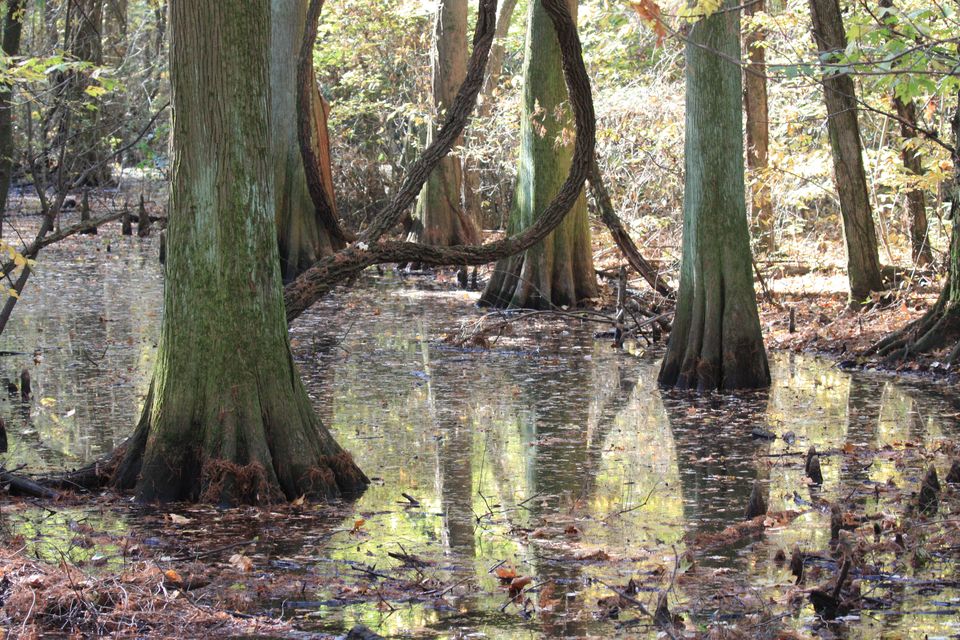
Photo: USFWS
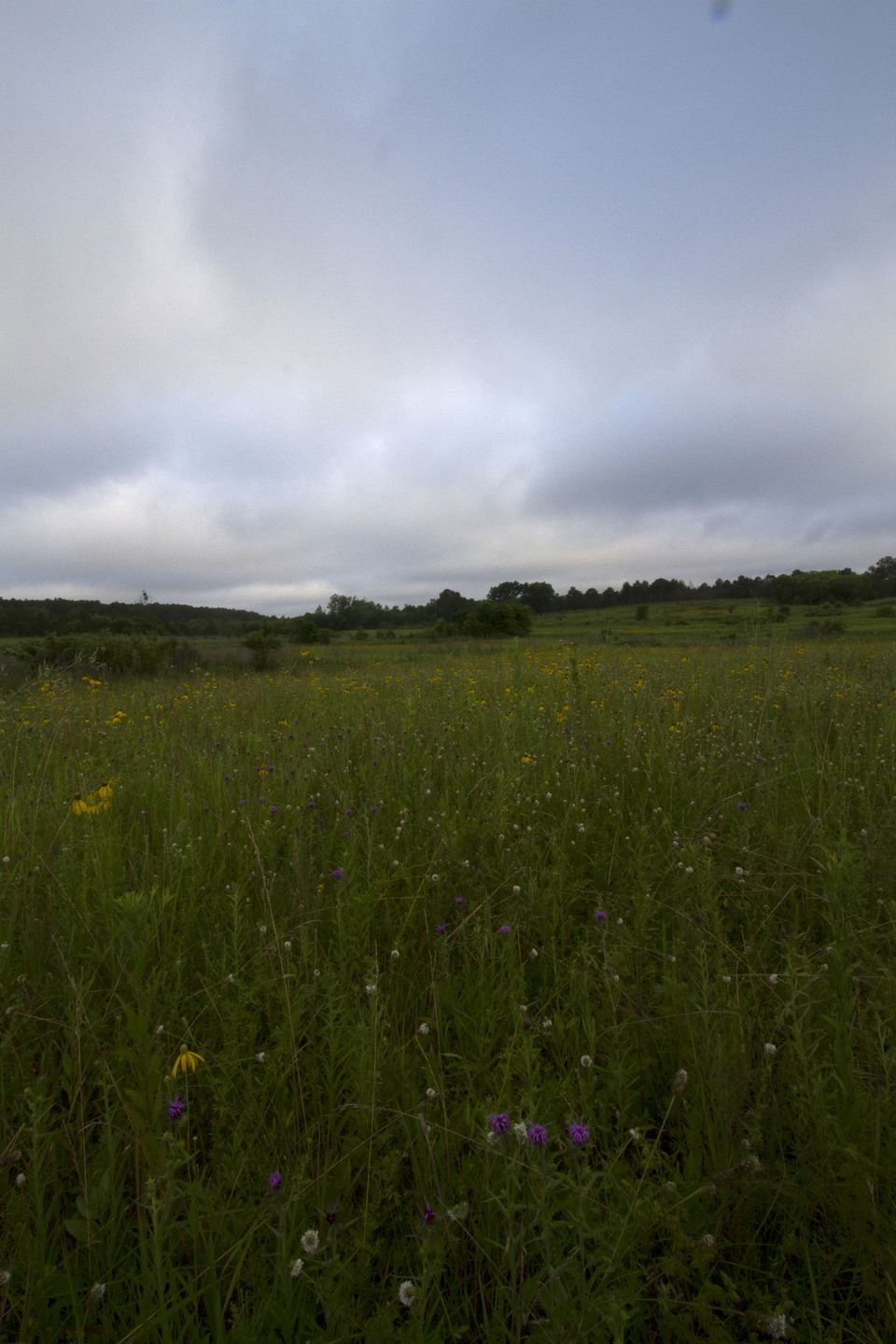
Black Belt prairie. Photo: NPS Photo
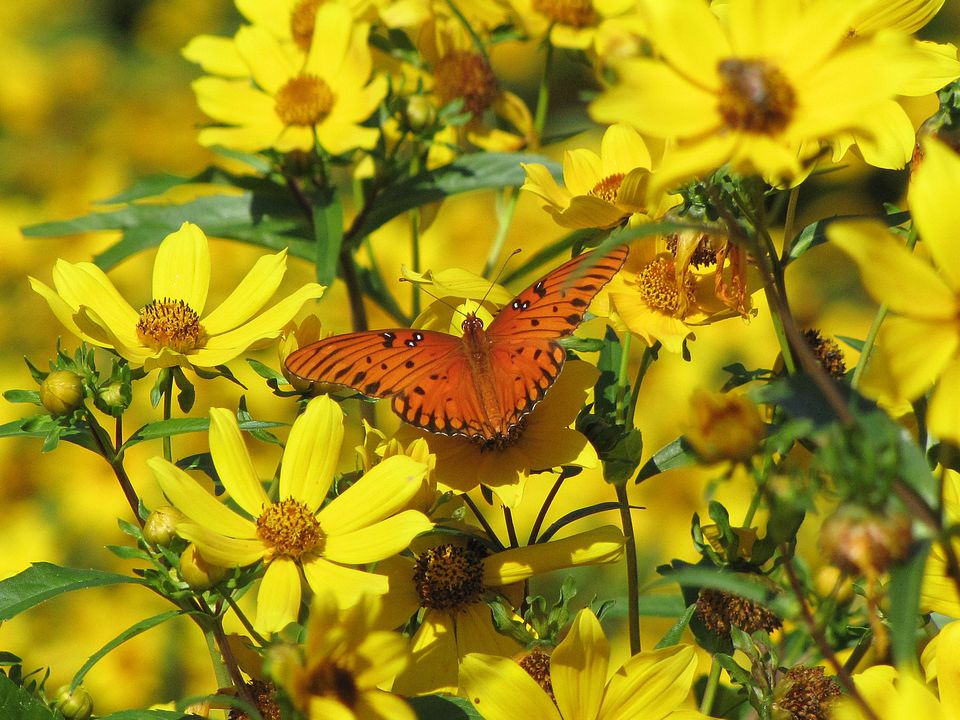
Gulf fritillary butterfly
Native plants feed the birds and pollinators you came to see. Plant native at home, and leave wild plants where they grow.
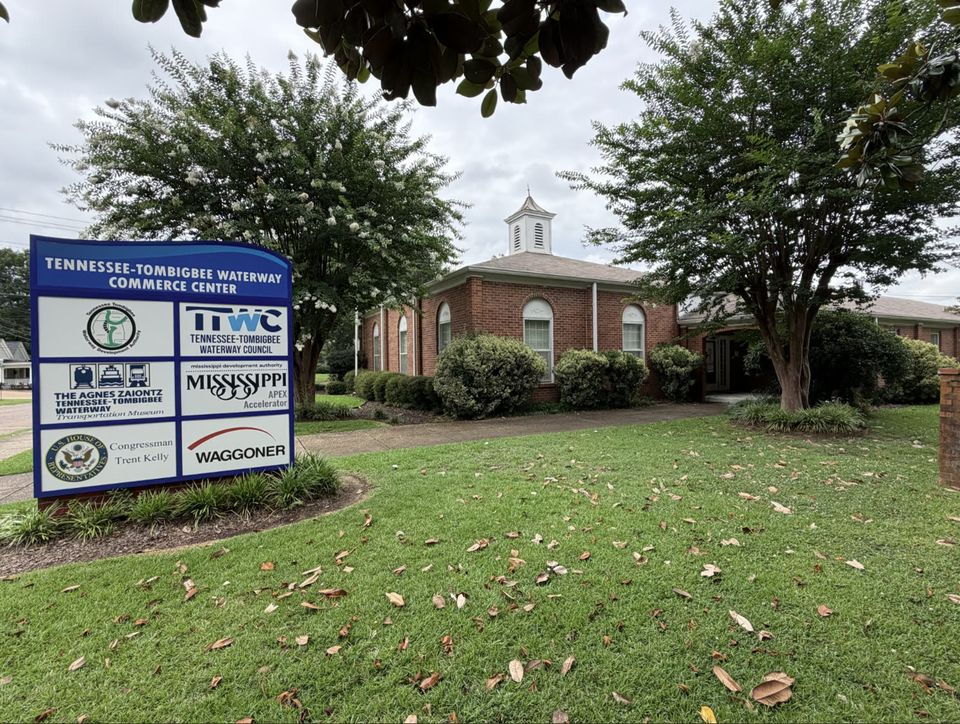
Operated by TTWDA, the museum celebrates the heritage of one of the largest civil works projects in American history: waterway construction, lock operations, and the integration of water, rail, and highway transportation. Group tours available by appointment.
Marinas, boat ramps, campgrounds, and communities, all on one interactive map, updated from TTWDA's central database.